What Is a Digital Wallet? Clear Definition and Everyday Examples
In this article
A common question today is: what is a digital wallet, and do you need one? A digital wallet is an app or online service that stores your payment details and lets you pay by phone, watch, or computer. Instead of pulling out a physical card or cash, you use your device to complete the payment quickly and securely.
Digital wallets have become a standard option in shops, on websites, and inside apps. Understanding how a digital wallet works helps you decide if it fits your daily payments and how to use it safely.
Core definition: what is a digital wallet?
A digital wallet is a secure electronic version of a physical wallet. The wallet stores payment data, such as card numbers or bank details, in encrypted form on your device or in the cloud. You then use that stored data to pay in stores, online, or in apps, often with one tap or click.
Many digital wallets also store other items you keep in a normal wallet. These can include loyalty cards, gift cards, transit passes, and digital tickets. Some wallets even support digital IDs or boarding passes, depending on your country and service provider.
The goal of a digital wallet is to make payments faster and safer. You share less card data with merchants, and you often confirm payments with a fingerprint, face scan, or PIN on your device.
How a digital wallet works behind the scenes
While the surface looks simple, a digital wallet uses several security and payment tools in the background. The process changes slightly between in-store and online payments, but the core idea stays the same: the wallet sends a secure token instead of your real card number.
Adding cards and payment methods
To start, you add a payment method to the wallet. You can type your card number, scan the card with your phone camera, or connect a bank account or online payment service. The wallet checks this data with the card network or bank to confirm that the card is valid.
After approval, the wallet does not store the full card number in plain text. Instead, the service creates a unique token or virtual card number linked to your real card. This token is what merchants see during payment, which helps reduce the risk if a store’s system is hacked.
Paying in a physical store
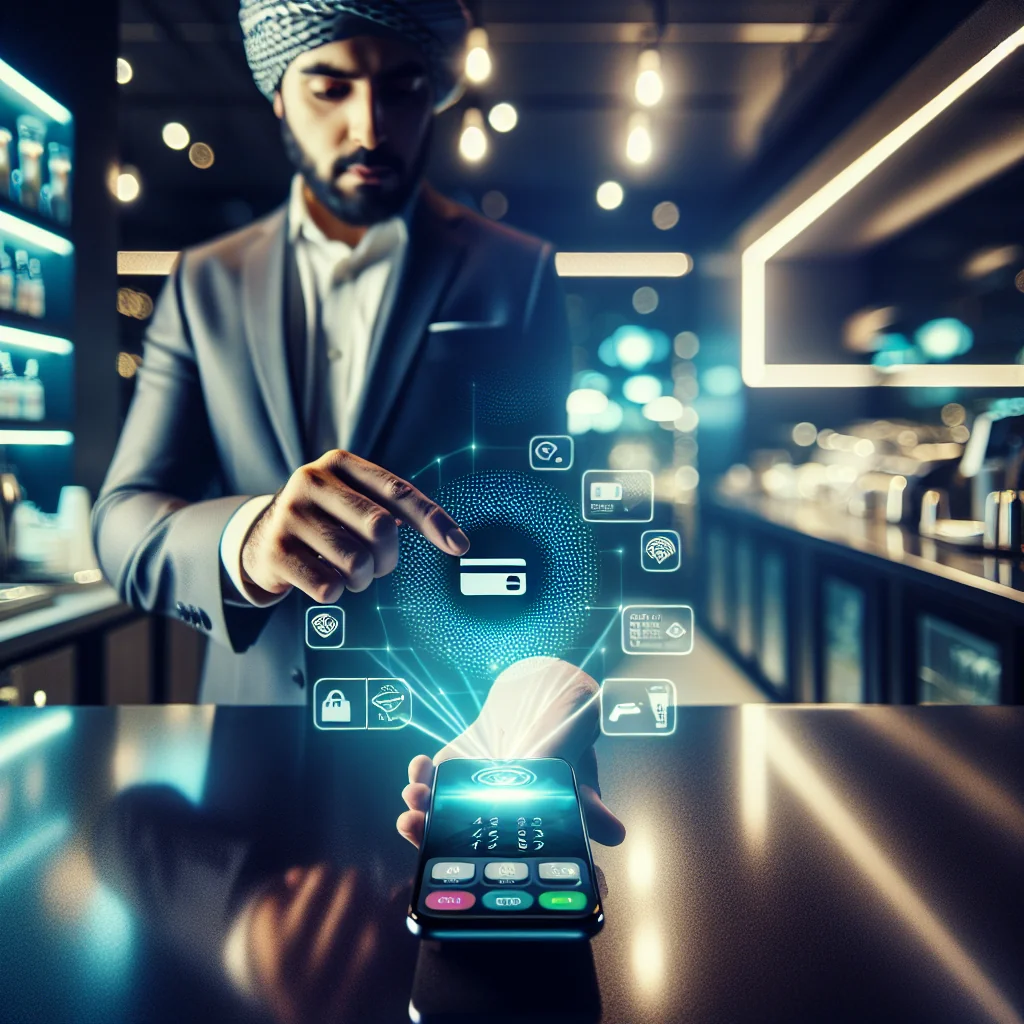
In many stores, you pay by holding your phone or smartwatch near the card reader. This uses NFC (Near Field Communication), a short-range wireless technology. The digital wallet sends the token and payment data to the terminal, which then talks to the bank or card network.
Before the wallet sends the token, you usually confirm the payment on your device. That confirmation can be a fingerprint, face scan, pattern, or PIN. This step adds a layer of security that a simple plastic card does not have.
Paying online or in apps
Many websites and apps let you pay with a digital wallet button instead of typing card details. You pick your wallet, confirm your identity, and the wallet fills in the payment data. The merchant receives the token and payment approval, not your full card number.
This process reduces typing errors and helps protect your card data from being stored in many different online shops.
Main types of digital wallets you will see
Not every digital wallet works in the same way or in the same places. The most common types focus either on cards, bank accounts, or specific brands and apps. Knowing the differences helps you pick the ones that match your habits.
Device-based wallets (phone and watch wallets)
Device-based wallets are built into your phone or watch system. Examples include wallets from major phone makers. These wallets link to your device’s security features, such as secure chips and biometric locks, and they work with many banks and card networks.
You use them mostly for tap-to-pay in stores and quick checkout online. Because they are tied to your device, losing access to the device means you must secure or remove the wallet remotely.
Account-based and online wallets
Account-based wallets live in the cloud and connect to your email or login rather than a single device. You can use them on multiple devices by signing in. These services often offer buyer protection features and are common on e-commerce sites.
Many people first meet digital wallets in this form when paying on large online marketplaces or sending money to friends.
Merchant and app-specific wallets
Some brands build their own digital wallets inside their apps. These store your payment details, loyalty points, and gift cards only for that brand or group of brands. Fast-food apps, ride-hailing apps, and large retail chains often use this model.
These wallets can offer special discounts, but they usually cannot be used outside that brand’s network.
Key features that define a digital wallet
While services differ, most digital wallets share a core set of features. These features show what a digital wallet is in practice, beyond the basic definition.
- Secure storage of payment data: Card or bank details are stored in encrypted form, often as tokens rather than raw numbers.
- Fast checkout: One-tap or one-click payment replaces manual entry of card numbers and addresses.
- Multi-card support: Many wallets let you store several cards and choose between them at checkout.
- Device-level security: Access is locked behind PINs, passwords, fingerprints, or face recognition.
- Extra items: Storage for loyalty cards, gift cards, tickets, and passes in digital form.
- Transaction records: A clear list of recent payments and transfers inside the app.
- Integration with apps and sites: Buttons on checkout pages or inside apps that link to the wallet.
Not every wallet will offer every feature, but these points give a good picture of what a full digital wallet experience looks like.
Digital wallets vs traditional cards and cash
To fully answer “what is a digital wallet,” it helps to compare digital wallets with the ways people already pay. The main differences show up in speed, security, and convenience rather than in how money leaves your account.
Speed and convenience
Digital wallets can speed up checkout, especially in busy stores or on small screens. You do not need to search for the right card or count coins. For online purchases, the wallet can also fill in your address and contact details, which reduces friction.
However, digital wallets depend on charged devices, internet access in some cases, and merchant support. Cash and cards still work where terminals or connectivity are poor.
Security and privacy
A well-designed digital wallet can be safer than a physical card. Tokens hide your real card number, and biometric locks stop many forms of misuse. If you lose your device, you can often lock or erase the wallet remotely through a device management service.
On the other hand, using a digital wallet means trusting a technology provider with your payment data and usage patterns. Reviewing privacy settings and permissions is an important step before heavy use.
The table below gives a simple side-by-side view of how digital wallets compare with cards and cash in daily use.
| Aspect | Digital wallet | Card | Cash |
|---|---|---|---|
| Speed at checkout | Very fast tap or click | Fast swipe or insert | Slower, count and change |
| Security features | Tokens, PIN, biometrics | PIN or signature only | No built-in security |
| Works without power | No, needs charged device | Yes | Yes |
| Works without network | Sometimes limited | Yes | Yes |
| Spending overview | Clear in-app history | On bank statement | Manual tracking only |
This overview shows that a digital wallet shines for speed and security, while cards and cash still win for use without power or network access.
Is a digital wallet safe? Main risks and protections
Safety is usually the first concern for new users. A digital wallet is built with security in mind, yet no system is perfect. Understanding the main risks and protections helps you use a wallet with more confidence.
Built-in protections
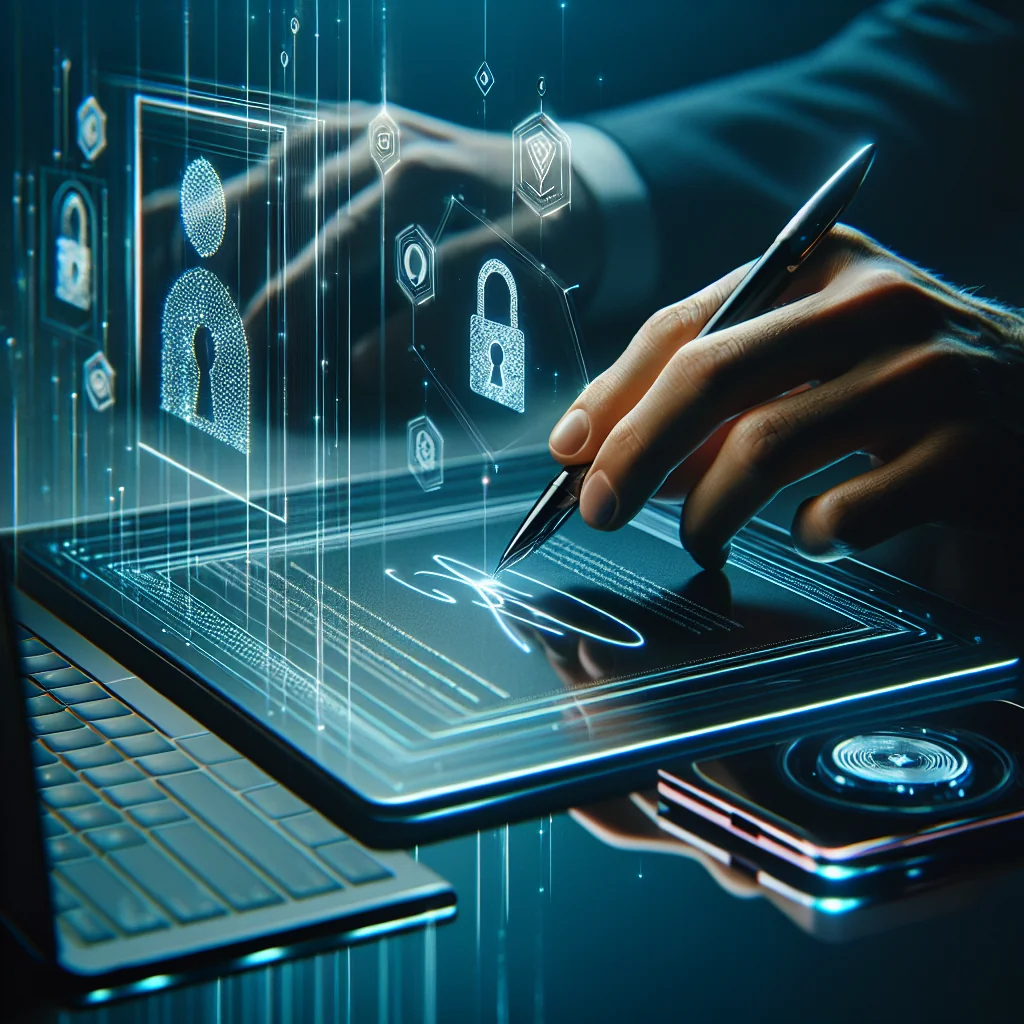
Most digital wallets use strong encryption to protect stored data. Sensitive information is often kept in a secure part of the device hardware or on secure servers. Biometric checks and device PINs add another layer, so a thief cannot easily approve payments.
Many banks and card networks also apply their usual fraud detection and dispute processes to digital wallet payments. From their view, a tokenized payment still links back to your card account.
Common risks to watch
The biggest risks come from weak device security and social tricks. If you leave your phone unlocked, share your PIN, or fall for phishing messages, a criminal may gain access to your wallet. Malware on a device can also capture login details if you install untrusted apps.
Public Wi‑Fi networks can pose risks if you log in to financial services without encryption. Modern apps use secure connections, but extra care is still wise on shared networks.
Practical tips for using a digital wallet safely
A few simple habits greatly increase the safety of any digital wallet. The steps below focus on device security and smart use rather than complex technical changes.
- Lock your phone or watch with a strong PIN, password, or biometric method.
- Turn on auto-lock so the screen closes after a short period of no use.
- Enable remote find, lock, and erase tools for your main devices.
- Update the operating system and wallet app whenever updates appear.
- Install apps only from official app stores, not from random files.
- Ignore messages that ask you to share codes or passwords by text or email.
- Check payment alerts from your bank and report strange activity quickly.
Following these steps makes misuse of a digital wallet much harder, even if you lose a device or face a scam attempt.
Choosing whether a digital wallet is right for you
Now that you know what a digital wallet is and how it works, the final step is to decide how it fits your life. For many people, using a wallet for small daily purchases and online orders is enough. Others may prefer to keep digital wallets for travel or backup while still using physical cards most of the time.
Think about where you shop, which devices you own, and how comfortable you feel with technology. You can start with one trusted wallet, one card, and low limits. As your comfort grows, you can add more cards or features.
Digital wallets are becoming a normal part of payments worldwide. Understanding the basics gives you the freedom to use them on your own terms, with a clear view of both the benefits and the risks.